
When Dogs Cause Injuries Without Biting: Your Legal Rights in Illinois
You’re walking down the sidewalk when suddenly a large dog breaks free from its owner and charges toward you. In your attempt to avoid the animal, you fall and suffer serious injuries – but the dog never actually bit you. This scenario happens more often than you might think, leaving injured victims wondering if they have any legal recourse. The good news is that under Illinois law, you can potentially sue a dog owner even when their dog causes injuries without biting. Whether you fell while trying to escape a frightening dog, were knocked down by an overly enthusiastic pet, or sustained injuries in some other way that didn’t involve teeth, you may have grounds for a legal claim based on the owner’s negligence.
💡 Pro Tip: Document everything immediately after the incident – take photos of the scene, get witness contact information, and seek medical attention right away to create a record of your injuries.
If you’ve been injured by a dog without ever being bitten, understanding your rights under Illinois law is crucial. Dog Bite Laws can guide you through the complexities of such cases, helping to establish negligence and pursue the compensation you deserve. Don’t wait to take action—reach out today at 312-663-7075 or contact us for a consultation.
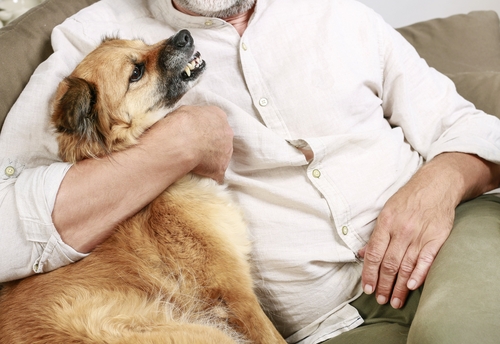
Understanding Negligence Claims When a Dog Bite Lawyer in Illinois Handles Non-Bite Cases
Illinois law recognizes that dogs can cause serious injuries without ever sinking their teeth into someone. When pursuing a claim for non-bite injuries, you’ll typically need to prove negligence rather than relying on strict liability laws that apply to actual bites. To establish negligence, you must demonstrate that the dog owner had a duty to control their pet, failed to meet that duty, and their failure directly caused your injuries. For instance, if an owner violates Aurora’s leash laws by letting their dog run loose and the animal jumps on you causing you to fall, this violation can serve as evidence of negligence or even establish negligence as a matter of law.
The legal landscape becomes more nuanced when dealing with non-bite injuries. Courts have consistently found negligent dog owners liable in cases where dogs chase cyclists who then crash, or when people fall while trying to avoid an aggressive or frightening dog. However, the outcome may differ if your reaction to the dog was considered erratic or unreasonable – such as suddenly stepping into traffic and getting hit by a car. In such cases, courts might determine that the vehicle, not the dog, caused your injuries. This is why having an experienced dog bite lawyer in Illinois evaluate your specific circumstances is crucial for understanding the strength of your claim.
💡 Pro Tip: Even if the dog seemed friendly, document any violation of local ordinances like leash laws – these violations can significantly strengthen your negligence claim.
Steps to Take After Being Injured by a Dog in Illinois
Taking the right steps immediately after a dog-related injury can make or break your legal case. The timeline for pursuing a claim is critical, and Illinois law sets specific deadlines you must meet. Here’s what you need to know about protecting your rights and building a strong case from the moment the incident occurs.
- Seek immediate medical attention – not only for your health but to document injuries caused by the dog encounter
- Report the incident to local animal control within 24 hours – this creates an official record and may reveal prior complaints about the dog
- Gather evidence at the scene including photos of the location, the dog, and any visible injuries or torn clothing
- Obtain contact information from the dog owner and any witnesses who saw what happened
- File a claim with the dog owner’s homeowner’s or renter’s insurance, which often covers dog-related injuries
- Consult with a dog bite lawyer in Illinois before accepting any settlement offers – insurance companies often lowball initial offers
- File a lawsuit within Illinois’s two-year statute of limitations if a fair settlement cannot be reached
💡 Pro Tip: Keep a journal documenting your pain levels, medical appointments, and how the injuries affect your daily life – this personal record can be powerful evidence of your damages.
How Dog Bite Laws Can Help You Recover Compensation for Non-Bite Injuries
When pursuing compensation for injuries caused by a dog that didn’t bite you, working with Dog Bite Laws gives you access to attorneys who understand the nuances of negligence claims in Illinois. Unlike straightforward bite cases that may rely on strict liability, non-bite injuries require proving that the owner failed to use reasonable care in controlling their animal. This might involve demonstrating that the owner knew their dog had a tendency to jump on people, chase bicycles, or behave aggressively, yet failed to take proper precautions. The legal team at Dog Bite Laws has experience building these more complex cases and knows how to gather the evidence needed to establish owner negligence.
Your compensation may include medical expenses, lost wages, pain and suffering, and in some cases, punitive damages if the owner’s conduct was particularly reckless. Many dog bite lawyer in Illinois professionals find that homeowner’s insurance policies cover these incidents, meaning there’s often a source of compensation available even if the dog owner lacks personal assets. The key is presenting your case effectively to demonstrate how the owner’s negligence directly led to your injuries, which is where experienced legal representation becomes invaluable.
💡 Pro Tip: Don’t let the insurance company minimize your claim by arguing "the dog was just being friendly" – even playful behavior can result in serious injuries that deserve compensation.
Common Scenarios Where Dogs Cause Injuries Without Biting
Understanding the various ways dogs can cause injuries without biting helps establish the validity of negligent dog owner liability claims. Large dogs jumping on elderly individuals or small children often result in serious falls and fractures. Dogs chasing joggers or cyclists frequently cause accidents when victims swerve to avoid the animal or panic and lose their balance. Even smaller dogs can create hazardous situations by tangling their leashes around people’s legs or darting in front of them unexpectedly. Each scenario requires careful analysis to determine whether the owner’s actions or inactions contributed to the dangerous situation.
When Dog Behavior Becomes Legally Actionable
Not every unpleasant dog encounter rises to the level of legal liability. Courts examine whether the injury was reasonably foreseeable and whether the owner failed to take appropriate precautions. For example, if an owner knows their dog gets excited around children and allows it off-leash at a playground, resulting injuries may be deemed foreseeable. Similarly, owners of breeds that courts may presume can be dangerous have a heightened duty to ensure their dogs don’t harm others, even through non-bite incidents. The failure to meet these responsibilities can transform what seems like an accident into a valid legal claim handled by an Aurora dog attack lawyer.
💡 Pro Tip: If the dog owner claims their pet "has never done this before," investigate whether neighbors or mail carriers have had similar encounters – patterns of behavior strengthen negligence claims.
Proving Causation in Non-Bite Dog Injury Cases
Establishing that the dog owner’s negligence directly caused your injuries becomes more complex when there’s no bite involved. Unlike bite cases where causation is clear, non-bite injuries require demonstrating a direct link between the owner’s failure to control their dog and your specific injuries. Courts will examine whether your response to the dog was reasonable under the circumstances. Running from an aggressive, unleashed dog is generally considered reasonable, while dramatically overreacting to a leashed dog walking calmly might not be. This analysis often requires witness testimony and sometimes expert opinions about reasonable human responses to perceived threats.
The Role of Local Ordinances in Establishing Negligence
Violations of local laws, particularly leash laws, can significantly strengthen your case for dog bite legal claims. When a dog owner violates these ordinances and their dog subsequently causes injury, courts may find them negligent as a matter of law, meaning you only need to prove the violation occurred and that it led to your injury. In Aurora, like many Illinois municipalities, dogs must be leashed in public spaces unless in designated off-leash areas. This legal framework provides injured parties with a clearer path to compensation when owners disregard these safety regulations.
💡 Pro Tip: Research local ordinances specific to your area – some municipalities have additional requirements like muzzling for certain breeds or prohibitions on dogs in specific public spaces.
Frequently Asked Questions
Common Legal Concerns About Non-Bite Dog Injuries
Many people injured by dogs without being bitten have similar questions about their legal rights and options. Understanding these common concerns helps you make informed decisions about pursuing compensation.
💡 Pro Tip: Write down all your questions before meeting with an attorney – this ensures you don’t forget important concerns during your consultation.
Next Steps in Your Dog Injury Case
Taking action promptly after a dog-related injury protects both your health and your legal rights. Here’s what you need to know about moving forward with your claim.
💡 Pro Tip: Don’t post about your incident on social media – insurance companies often monitor these platforms and may use your posts against you.
1. Can I sue if a dog jumped on me but seemed friendly and the owner claims it was just playing?
Yes, you can still pursue a claim even if the dog was "just playing." Illinois law focuses on whether the owner was negligent in controlling their pet, not the dog’s intent. If the owner failed to restrain their dog and you were injured as a result, they may be liable regardless of whether the dog was being playful or aggressive. An Aurora Illinois Dog Bite attorney can help establish that the owner should have anticipated their dog might jump on strangers and taken precautions to prevent it.
2. What if I was partially at fault for provoking the dog or entering the owner’s property?
Illinois follows a modified comparative negligence rule, meaning you can still recover damages if you were less than 50% at fault for the incident. However, your compensation will be reduced by your percentage of fault. For example, if you’re found 30% responsible for provoking the dog, your damages would be reduced by 30%. An Illinois dog liability lawyer can help assess how comparative negligence might apply to your specific situation and work to minimize any fault attributed to you.
3. How much is my non-bite dog injury case worth?
The value of your case depends on several factors including the severity of your injuries, medical expenses, lost wages, and pain and suffering. Non-bite injuries can range from minor bruises to serious fractures or head injuries from falls. Cases involving permanent scarring, disability, or extensive medical treatment typically result in higher compensation. An Aurora personal injury attorney dog cases specialist can evaluate your specific damages and provide a realistic assessment of your claim’s value.
4. What if the dog owner doesn’t have insurance or assets to pay a judgment?
Many dog-related injuries are covered under the owner’s homeowner’s or renter’s insurance policy, providing a source of compensation even if the owner has limited personal assets. If no insurance coverage exists, an attorney can investigate other potential sources of recovery or advise whether pursuing the claim makes financial sense. Some attorneys may also explore whether other parties, such as property owners who allowed dangerous dogs on their premises, share liability.
5. How long do I have to file a lawsuit for a non-bite dog injury in Illinois?
Illinois has a two-year statute of limitations for personal injury claims, including those arising from dog-related incidents. This means you must file your lawsuit within two years from the date of your injury. However, it’s important to act much sooner to preserve evidence, locate witnesses, and build a strong case. Consulting with a dog injury attorney Aurora Illinois professional early in the process ensures you don’t miss critical deadlines or opportunities to strengthen your claim.
Work with a Trusted Dog Bite Lawyer
When dealing with injuries caused by a dog that didn’t bite you, having experienced legal representation can make the difference between a denied claim and fair compensation. The attorneys at Dog Bite Laws understand that dog-related injuries extend far beyond bites, and they have the knowledge to build strong negligence cases under Illinois law. They can investigate whether the owner violated local ordinances, gather evidence of the owner’s knowledge of their dog’s behavior, and work with medical professionals to document the full extent of your injuries. Don’t let insurance companies dismiss your claim simply because there were no bite marks – contact Dog Bite Laws to discuss your rights and options for pursuing the compensation you deserve.
Imagine suffering an injury from a dog without a single bite mark. Under Illinois law, you’re not alone in seeking justice. Let Dog Bite Laws lead the charge to protect your rights and ensure you receive what you’re entitled to. Reach us at 312-663-7075 or contact us to begin your journey toward fair compensation.