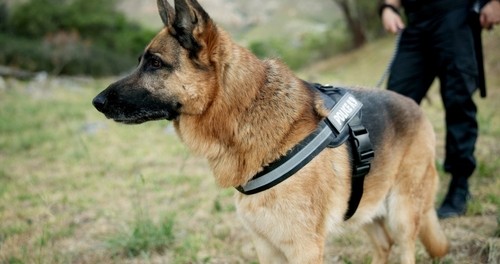
When a Police K-9 Leaves You With More Than Just Memories
The sharp pain and shock of a police dog bite can leave you wondering if you have any recourse when the very force meant to protect you causes harm. With approximately 4.5 million dog bites occurring annually in the United States, and about 885,000 requiring medical care, police dog attacks represent a unique subset of these incidents that raise specific legal questions about governmental immunity, justified use of force, and victim compensation rights. Whether you were an innocent bystander caught in a police operation, mistakenly targeted during an apprehension, or injured during a lawful arrest, understanding your rights after a police K-9 attack becomes crucial for protecting both your physical recovery and legal interests.
💡 Pro Tip: Document everything immediately after a police dog bite – take photos of injuries from multiple angles, save all medical records, and write down the badge numbers of all officers present while details remain fresh in your memory.
When dealing with the aftermath of a police dog bite, it’s crucial to take prompt action to safeguard your rights. At Dog Bite Laws, we’re committed to helping you navigate these murky waters and seek the justice you deserve. Reach out to us today at 312-663-7075 or contact us to discuss your case and explore your options.

Your Legal Rights After a Police Dog Attack
Unlike typical dog bite cases where homeowner’s insurance often covers damages, police dog bites involve governmental entities and specialized immunity laws that make these cases distinctly challenging. Working with a dog bite lawyer in Illinois becomes essential because police departments often claim qualified immunity, arguing their K-9 units were performing official duties during the incident. However, victims maintain important rights even against government agencies, particularly when excessive force was used or when innocent bystanders suffer injuries.
Illinois law recognizes that while police dogs serve important functions in law enforcement – with Aurora Police Department’s K-9 Unit consisting of 4 handler/canine teams trained in narcotic detection, tracking, and suspect apprehension – their use must remain proportional to the threat level. When officers deploy K-9s inappropriately or fail to control them properly, victims can pursue compensation through the Illinois animal attack liability statute modified for governmental liability contexts.
💡 Pro Tip: Request the K-9 unit’s training records and deployment history through a Freedom of Information Act (FOIA) request – patterns of aggressive behavior or inadequate training can significantly strengthen your case.
Critical Steps and Timelines Following a Police K-9 Injury
Time becomes your enemy after a police dog bite, as governmental immunity protections often include shortened notice requirements that differ drastically from standard personal injury claims. Most victims don’t realize they must file a formal notice of claim with the municipality within as little as one year, sometimes even sooner, making immediate action with a dog bite lawyer in Illinois vital for preserving your rights.
- Within 24-48 hours: Seek comprehensive medical treatment and request detailed documentation of all injuries, as police dog bites often cause deep puncture wounds, torn muscles, and nerve damage requiring extensive treatment
- Within 7 days: File a formal complaint with the police department’s internal affairs division and obtain a copy of the incident report, which often contains crucial admissions about K-9 deployment
- Within 30 days: Submit a FOIA request for body camera footage, dispatch recordings, and K-9 unit policies – governmental agencies routinely delete or archive this evidence after 30-90 days
- Within 6 months to 1 year: File your formal notice of claim with the appropriate governmental entity, as missing this deadline completely bars your right to compensation regardless of injury severity
💡 Pro Tip: Create a dedicated email account solely for your case communications and forward all evidence there immediately – this creates timestamped proof of when you obtained evidence and protects against accidental deletion.
Building Your Case Against Governmental Immunity
Successfully challenging a police department after a K-9 attack requires understanding the specific exceptions to governmental immunity that Illinois courts recognize. A skilled dog bite lawyer in Illinois from Dog Bite Laws understands how to navigate these complex immunity doctrines, particularly focusing on instances where officers violated departmental K-9 deployment policies or used excessive force beyond reasonable law enforcement needs. The key lies in demonstrating that the officer’s actions fell outside protected governmental functions, transforming the incident from a shielded official act into compensable negligence.
Evidence gathering becomes particularly crucial in police dog cases because departments control most relevant documentation. Your attorney must aggressively pursue discovery to uncover K-9 training deficiencies, handler control failures, or policy violations that strengthen your position. This often includes analyzing whether the K-9 handler followed proper verbal warnings, maintained appropriate leash control, or deployed the dog against department guidelines regarding bite duration and severity.
💡 Pro Tip: Interview witnesses immediately and obtain written statements – civilian witnesses often provide crucial testimony about excessive force that contradicts official police narratives.
Understanding Police K-9 Deployment Standards and Violations
Police departments maintain specific protocols governing when and how K-9 units deploy their dogs, with violations of these standards opening potential liability windows even within governmental immunity frameworks. Most departments restrict K-9 deployment to situations involving fleeing felony suspects, drug detection, or building searches where officer safety requires the enhanced capabilities these trained animals provide. When handlers deploy dogs outside these parameters – such as against non-violent misdemeanor suspects or compliant individuals – victims gain stronger arguments that the governmental immunity shield shouldn’t apply.
Common K-9 Deployment Violations
Experienced attorneys pursuing police dog bite cases often uncover patterns of improper deployment that establish liability. These include releasing dogs on suspects who already surrendered, allowing prolonged bite duration beyond subduing the subject, or failing to provide clear verbal warnings before release. In one notable pattern, handlers sometimes lose control of their K-9 partners during chaotic scenes, resulting in attacks on innocent bystanders who happened to be nearby – situations where governmental immunity rarely protects the department from liability to uninvolved victims.
💡 Pro Tip: Research whether the specific K-9 involved has a history of biting incidents – multiple attacks by the same dog often indicate training failures that eliminate immunity protections.
Medical Consequences and Compensation in Police Dog Attacks
Police K-9s undergo specialized attack training that creates injury patterns far exceeding typical pet dog bites, with these animals taught to bite and hold until commanded to release. This training results in catastrophic injuries including degloving (skin separation), permanent scarring, nerve damage, and psychological trauma requiring extensive treatment. Victims working with a dog bite lawyer in Illinois must document not only immediate medical costs but also future surgeries, scar revision procedures, and mental health treatment addressing post-traumatic stress from the attack.
Calculating Damages Against Government Entities
While governmental entities sometimes cap damage awards through statutory limitations, skilled attorneys understand how to maximize recovery within these constraints by thoroughly documenting all compensable losses. This includes pursuing compensation for permanent disfigurement, lost wages during recovery, diminished earning capacity from lasting injuries, and the profound psychological impact of being attacked by a police animal. Some victims develop lasting phobias of dogs or police encounters that require years of therapy, representing significant additional damages beyond physical injuries.
💡 Pro Tip: Obtain a plastic surgeon’s evaluation early in your case – their assessment of future scar revision needs and costs provides concrete evidence of long-term damages.
Overcoming Common Defense Tactics in Police K-9 Cases
Police departments deploy predictable defense strategies in K-9 bite cases that victims must prepare to counter effectively. The most common defense claims you were committing a crime warranting K-9 deployment, even in cases of mistaken identity or minor infractions. Departments also argue their handlers followed proper procedures, attempting to shift blame onto victims for "failing to comply" with commands – ignoring that terrified individuals often freeze rather than follow complex instructions while facing an attacking police dog.
Challenging the "Fleeing Felon" Defense
Many police K-9 cases involve departments claiming their dog deployment was justified because the victim was fleeing from a felony crime. However, the dog owner negligence liability principles still apply when examining whether the force used was proportional to the alleged offense. Courts increasingly scrutinize whether suspects posed actual danger warranting K-9 deployment, particularly in property crime cases where no violence occurred. Your dog bite lawyer in Illinois can challenge these defenses by demonstrating that even if you were suspected of a crime, the K-9 deployment violated proportionality standards or department policies.
💡 Pro Tip: Obtain criminal defense attorney records if you faced charges from the incident – they often contain police admissions or evidence helpful to your civil case that prosecutors overlooked.
Frequently Asked Questions
Common Legal Concerns After Police Dog Bites
Victims of police K-9 attacks face unique legal challenges that differ significantly from civilian dog bite cases, raising important questions about governmental immunity, compensation limits, and the interplay between criminal and civil proceedings. Understanding these distinctions helps victims make informed decisions about pursuing their rights while navigating the complex intersection of constitutional law and personal injury claims.
💡 Pro Tip: Keep a detailed journal of how your injuries impact daily activities – judges find personal accounts of suffering more compelling than medical records alone.
Next Steps in Your Police Dog Bite Case
Moving forward after a police K-9 attack requires balancing immediate medical needs with crucial legal deadlines, all while dealing with the same law enforcement agency that caused your injuries. Many victims feel intimidated pursuing claims against police departments, but understanding your rights and the legal process empowers you to seek fair compensation despite these challenges.
💡 Pro Tip: Never give recorded statements to police internal affairs or city attorneys without your own lawyer present – their questions aim to minimize liability, not help you.
1. Can I sue the police department if their K-9 bit me during an arrest, even if I was later convicted of a crime?
Yes, criminal conviction doesn’t automatically bar civil claims for excessive force. Courts examine whether the K-9 deployment was reasonable under the circumstances, not whether you were guilty of the underlying charge. Even guilty suspects retain constitutional protections against excessive force, and police dog bites causing severe injury may exceed reasonable force limits regardless of the crime involved.
2. What if I was an innocent bystander when the police dog attacked me?
Innocent bystanders typically have the strongest police dog bite cases because governmental immunity rarely protects departments when their K-9s injure uninvolved citizens. You can pursue full compensation without the complications of alleged criminal activity, and juries often award significant damages recognizing the injustice of innocent victims suffering from police operations they had no part in.
3. How long do I have to file a claim against the Aurora Police Department for a K-9 bite?
Illinois law requires filing a formal notice of claim against municipalities within one year of the injury, much shorter than the two-year statute of limitations for standard personal injury cases. Some municipalities have even shorter notice periods, making immediate consultation with an attorney critical. Missing these deadlines completely bars your claim regardless of injury severity or police misconduct.
4. What damages can I recover in a police dog bite case compared to a regular dog bite claim?
While governmental entities sometimes cap certain damages through statutory immunity, you can still pursue compensation for medical expenses, lost wages, permanent scarring, and pain and suffering. However, punitive damages are typically unavailable against government entities, and some states cap non-economic damages in governmental liability cases, making thorough documentation of economic losses especially important.
5. Should I accept the city’s initial settlement offer for my police K-9 injuries?
Initial settlement offers from governmental entities typically fall far below fair compensation, especially before you know the full extent of your injuries and future medical needs. These offers often come with broad release language preventing future claims even if complications arise. Always consult with a dog bite lawyer in Illinois before accepting any settlement to ensure it adequately compensates your current and future damages.
Work with a Trusted Dog Bite Lawyer
Police K-9 cases demand attorneys who understand both governmental liability law and the specific dynamics of police dog attacks. Dog Bite Laws brings focused knowledge to these complex cases, understanding how to navigate governmental immunity defenses while building compelling evidence of excessive force or policy violations. Our firm recognizes that challenging police departments requires both legal skill and the courage to stand up to powerful governmental entities on behalf of injured victims. Whether you suffered injuries as a suspect, witness, or completely uninvolved bystander, we work to ensure your voice gets heard and your injuries receive fair compensation despite the unique challenges these cases present.
When a police dog bite catches you off guard, it’s crucial to act quickly to protect your rights. Connect with Dog Bite Laws today to chart your path to justice. Reach us at 312-663-7075 or simply contact us.