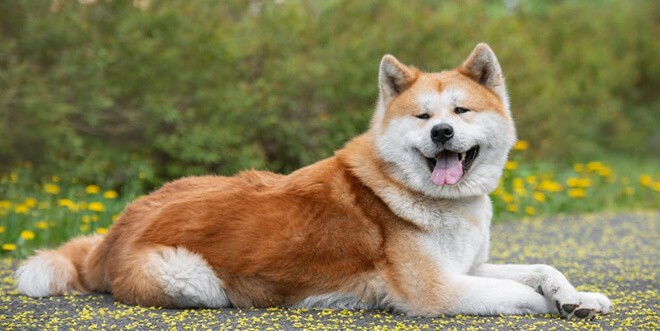
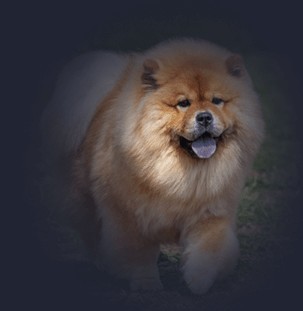
Akita dogs, originally bred in Japan for hunting large game, are known for their strength, loyalty, and protective nature. While they can be affectionate and gentle with their families, Akitas also possess strong guarding instincts, which can sometimes be perceived as aggression if not properly managed. Some experts in dog breeds suggest that Akitas are naturally wary of strangers and can be dominant, especially around other animals of the same sex.
According to the Dogster blog, Akitas may be prone to bouts of aggression. Proper training and socialization from an early age are vital to ensure they develop into well-mannered adults. Although Akitas are not inherently dangerous dogs, the breed’s powerful build and independent streak mean responsible ownership is essential to prevent potential issues.
The History and Origins of Akita Dogs
Ancient Roots in Japan
The Akita dog breed has a rich history that dates back several centuries in Japan. Originating from the mountainous regions of northern Japan, the breed was initially developed for hunting large game such as bears, boars, and deer. The Akitas were prized for their strength, endurance, and bravery, making them indispensable companions for hunters in the harsh climates of northern Japan.
Introduction to the West
The Akita’s introduction to the Western world is largely credited to Helen Keller, the renowned American author and activist. During a visit to Japan in 1937, Keller was given an Akita named Kamikaze-Go, making her one of the first individuals to bring an Akita to the United States.
Breed Divergence: Japanese Akita Inu and American Akita
Over time, the Akita breed diverged into two distinct lines: the Japanese Akita Inu and the American Akita. Despite several differences in their physical appearance, both lines are celebrated for their loyalty, courage, and dignified presence.
Akita Dog Temperament and Behavior Traits
Many people ask: are Akita dogs aggressive? Akita dog aggression is not an inherent trait, but they may be prone to aggression under certain conditions.
Loyalty and Protective Nature
Akitas are renowned for their complete loyalty to the dog owner. They form strong bonds with their family members and are known to be extremely protective. This loyalty makes them excellent guard dogs, as they are naturally alert and suspicious of strangers.
Independent and Stubborn Streak
One of the defining traits of the Akita is its independence. This breed can be quite headstrong and stubborn, which can sometimes pose challenges in training. Akitas are intelligent dogs, but they may not always be eager to please, often preferring to do things their own way.
Reserved with Strangers
Akitas tend to be aloof and reserved around strangers. Unlike some other breeds that are openly friendly to new people, Akitas are more likely to be cautious and take their time warming up to unfamiliar faces.
Affectionate with Family
Despite their reserved demeanor with strangers, Akitas are known to be affectionate and gentle with their family members. However, due to their size and strength, interactions between Akitas and young children should always be supervised.
High Prey Drive
Originally bred for hunting large game, Akitas have a high prey drive. This instinct can make them prone to chasing smaller animals such as cats or squirrels.
Quiet but Vocal
While not excessively vocal, Akitas are known for their unique way of communicating. They often “talk” to their owners using a range of sounds, including grunts, moans, and mumbles. This form of communication is one of the breed’s charming quirks, endearing them even more to their families.
Akita Dog Aggression Towards Other Animals
Socialization and Training
One of the key factors in managing Akita aggression is early and consistent socialization. Exposing an Akita to various animals, people, and environments from a young age can help mitigate aggressive tendencies. Proper training is essential in teaching the dog to respond calmly to other animals.
Dominance and Territoriality
Akitas are naturally dominant and territorial. They often perceive their home and family as their domain, which they feel compelled to protect. This protective instinct can lead to aggression towards other animals, especially if they feel their territory is being invaded.
Same-Sex Aggression
Aggression in Akitas is often more pronounced towards other dogs of the same sex. This is a common trait in many dominant breeds, and Akitas are no exception. Same-sex aggression can be particularly challenging to manage and may require professional training and careful supervision.
Individual Temperament and Breeding
The temperament of an individual Akita can vary based on genetics and breeding practices. Akitas from irresponsible breeding operations may have heightened aggression due to poor genetic selection and lack of early socialization.
Factors That May Contribute to Aggression in Akitas
Genetic Predisposition
Akitas have a long history as hunting and guard dogs, which has ingrained certain behaviors, including aggression, into their genetic makeup. Selective breeding practices aimed at preserving these protective instincts can lead to heightened aggression in some lines of Akitas.
Lack of Socialization
Socialization plays a key role in shaping a dog’s behavior. Akitas that are not properly socialized may become fearful or aggressive towards unfamiliar people, animals, or situations.
Training Methods
Positive reinforcement techniques are generally more effective and safer than harsh, punitive measures. Training that relies on fear or physical punishment can exacerbate aggression and create a mistrustful and hostile dog.
Health Issues
Undiagnosed or untreated health problems can contribute to aggressive behavior in Akitas. Pain, neurological disorders, or other medical conditions can cause a dog to act out aggressively. Regular veterinary check-ups are essential.
Environmental Stressors
Changes in the environment, such as moving to a new home, the introduction of new family members (human or animal), or significant shifts in routine, can stress Akitas and trigger aggressive behaviors.
Importance of Socialization and Training for Akita Dogs
Socialization: Building Confidence and Reducing Aggression
Socialization helps Akita dogs develop into well-adjusted and well-behaved companions. Early socialization, ideally starting as a puppy, exposes the Akita to various environments, people, animals, and situations. This exposure helps reduce fear and anxiety, which can lead to aggression if not addressed.
According to the American Kennel Club (AKC), socialization helps prevent behavioral problems and promotes a friendly demeanor. Positive experiences during the critical socialization period (up to 16 weeks of age) can lead to lifelong benefits, ensuring that the Akita remains calm and composed in diverse situations.
Training: Establishing Leadership and Control
Training is essential for Akitas, a breed known for its independence and strong-willed nature. Effective training establishes the owner as the leader, providing clear boundaries and expectations. This is particularly important for Akitas, which can exhibit dominant behavior if they sense a lack of leadership.
Positive reinforcement techniques, such as rewarding desired behaviors with treats or praise, are recommended. These methods build trust and encourage the Akita to respond favorably to commands without fear. Consistent training helps manage the Akita’s natural instincts, reducing the likelihood of undesirable behaviors such as aggression or excessive territoriality.
The Humane Society of the United States stresses on the importance of training that focuses on positive reinforcement rather than punishment. This approach fosters a positive relationship between the dog and the owner, reducing stress and enhancing obedience.
Akita Breed Misconceptions and Stereotypes
Misconception 1: Akitas are Naturally Aggressive
One of the most pervasive stereotypes about Akitas is that they are inherently aggressive. This likely stems from their history as hunting and guard dogs in Japan. While Akitas have strong protective instincts, they are not naturally aggressive without reason. Their temperament can be well-managed with proper socialization and training from a young age.
Misconception 2: Akitas are Not Good with Children
While Akitas are known to be protective, this does not mean they are dangerous around kids. In fact, many Akitas are very affectionate and gentle with children, especially if they are raised together.
Misconception 3: Akitas Cannot Live with Other Pets
Many believe that Akitas cannot coexist with other pets, particularly other dogs. While Akitas can be dominant and territorial, they can also live harmoniously with other animals if they are properly socialized and introduced gradually.
Misconception 4: Akitas Are Difficult to Train
The perception that Akitas are stubborn and difficult to train is another stereotype that is not universally true. While Akitas are independent thinkers, they are also intelligent and capable of learning.
Misconception 5: Akitas Are Aloof and Unfriendly
Some people think Akitas are aloof and not affectionate. While Akitas can be reserved with strangers, they are often very affectionate and loyal to their families.
Responsibilities of Akita Owners in Preventing Dog Bites
Owning an Akita comes with significant responsibilities, especially regarding the prevention of dog bites.
Early Socialization
Pet owners should expose their dogs to various environments, people, and other animals from a young age. This helps reduce fear and anxiety, which can lead to aggression if not managed properly. Socialization should be positive and gradual, ensuring that the Akita feels comfortable and secure in different settings.
Obedience Training
Training an Akita in basic obedience is essential. Commands such as sit, stay, come, and leave can help control the dog in potentially stressful situations. Positive reinforcement techniques, such as rewarding good behavior with treats or praise, are highly effective. Consistency and patience are key to successful training.
Proper Supervision
Akita puppy or adult dog owners should always supervise interactions between their dogs and unfamiliar people or animals. This is particularly important in public places or around children. Supervision helps prevent unexpected situations that could lead to a bite incident.
Understanding Body Language
Owners should educate themselves about canine body language to recognize signs of discomfort, fear, or aggression. Common signs include stiff body posture, growling, bared teeth, and raised hackles. Recognizing these signs early allows the owner to intervene before the situation escalates.
Secure Environment
Providing a secure environment is essential for preventing dog bites. This includes having a well-fenced yard to prevent the Akita from escaping and ensuring the dog is always leashed in public. Additionally, ensuring that visitors understand how to appropriately interact with the dog can prevent accidental bites.
Health and Well-being
Regular veterinary check-ups are important to ensure that the Akita is healthy and free from medical conditions that could influence behavior. Pain or illness can lead to irritability and aggression. Keeping the dog mentally and physically stimulated through exercise and enrichment activities also contributes to overall well-being.
Professional Help
If an Akita shows signs of aggression, is considered a dangerous dog, or has a history of biting, owners should seek help from professional trainers or behaviorists. These experts can provide guidance on managing and modifying aggressive behavior, ensuring the safety of both the dog and those around it.
Mike Agruss Law was extremely easy to work with. They helped me on two different times. Communication was top notch. If ever in need I would use again and have recommended to several people.
- Tara
I highly recommend him and his firm!
Mike Agruss is an extremely knowledgeable personal injury attorney who puts his client’s best interests first. Whenever I reach out to him with questions, he always gets back to me right away, which is extremely refreshing when dealing with an attorney. I highly recommend him and his firm!
-Trista
Mike Agruss Law was incredibly helpful
Mike Agruss Law was incredibly helpful and tenacious at fighting for me with my case. I am beyond satisfied with my results and cannot recommend them enough for all the hard work they put in. They really care about what they do and care about their clients and it can be seen in the work they do. All that is left to say was that my case was a win-win all around very happy with the results. Please consider them if you have any issues.
- Brandy
They WILL take care of you.
This was the easiest and best experience I’ve experienced with a law firm. They represented me aggressively and handled my case with finesse and diligence. I highly recommend anyone who is having any issues to reach out to Mike Agruss Law Firm. They WILL take care of you.
- Victor
He went above and beyond
Mike called me on the weekend to answer a question I had emailed him on a Friday I wasn’t expecting to hear from him until Monday. He went above and beyond anything I could have ever expected. Not only is he a excellent attorney he is also a kind, caring and a patient person. I was truly blessed by him, his paralegal, and this law firm.